

In a previous post I mentioned that ever since my father’s death I’ve been challenged to write anything besides thoughts related to his passing. I sit down to write a short story, perhaps one about a place where butterflies fill the sky, where beauty is an actual nuisance, and, time after time, I instead end up writing, again, the chain of events that occurred on the day of my dad’s death. With this I am still challenged, but to a much lesser degree.
Over time I’ve learned to make space for processing, but with boundaries. Sometimes I want to cave up and remember my dad—scroll through photos, listen to an old voicemail, look at the covers of his Tarzan paperbacks, or read the last text he sent me. The one that said, “Hell yes!” (My father was a one word texter, a yes or no sort of guy, and never used exclamation marks, so this one is particularly memorable). But at other times I want to be rid of the burden of memory and forget it all. I just want to get on with my life.
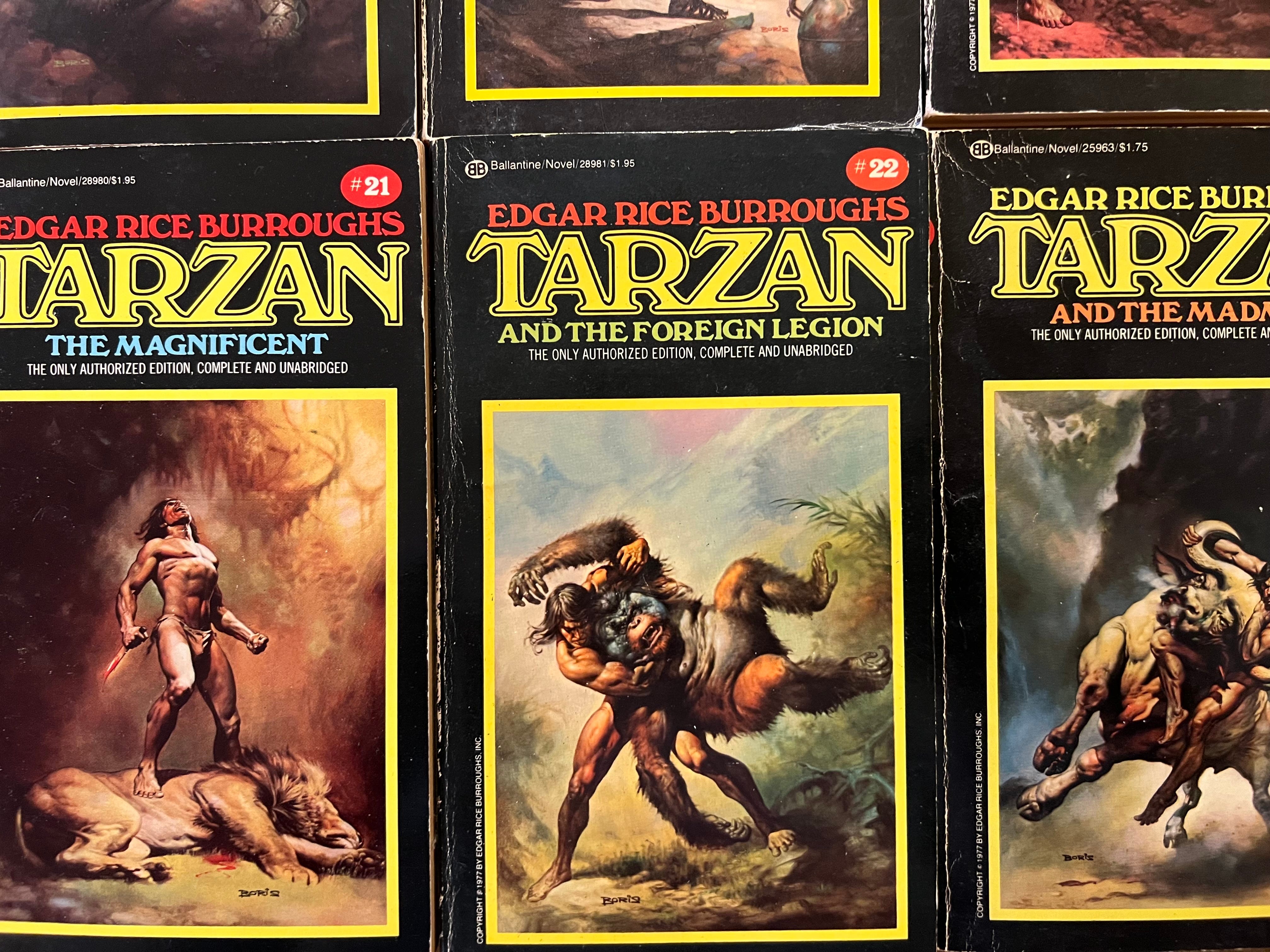
Until recently, however, I’ve not had much of a choice in how I’ve grieved. For a solid year I drowned in nostalgia for a man with whom my relationship had grown increasingly distant until, quite literally, the last day we spoke. He’d been in the hospital for yet another complication with his external bladder port and told me he needed my help with some things. I didn’t know this man to ever ask for help, and especially not from me. He told me about some loose ends with his VA claim and needed to see it through. He also asked me to look after my mom. I know now that he wasn’t just referring to my weekend visit. His request was much bigger.
Our final conversation played on repeat as I thrashed in the new unknown. I grasped for my so-called real life in an attempt to stay grounded. Back and forth I went from my mom in Rochester to work trips then back to Rochester. I did my coaching calls from my dad’s den where its paneled walls were adorned with a lifetime of his framed certificates. I got to know the toll route between Cleveland and my mom’s place so well I didn’t need a GPS. I even set up a Bumble profile for upstate New York but quickly realized my reasons for doing so were less about meeting someone and more about escape. My busyness did not have the intended effect. Grief demanded my full attention and distracting myself from it only made it hit harder.
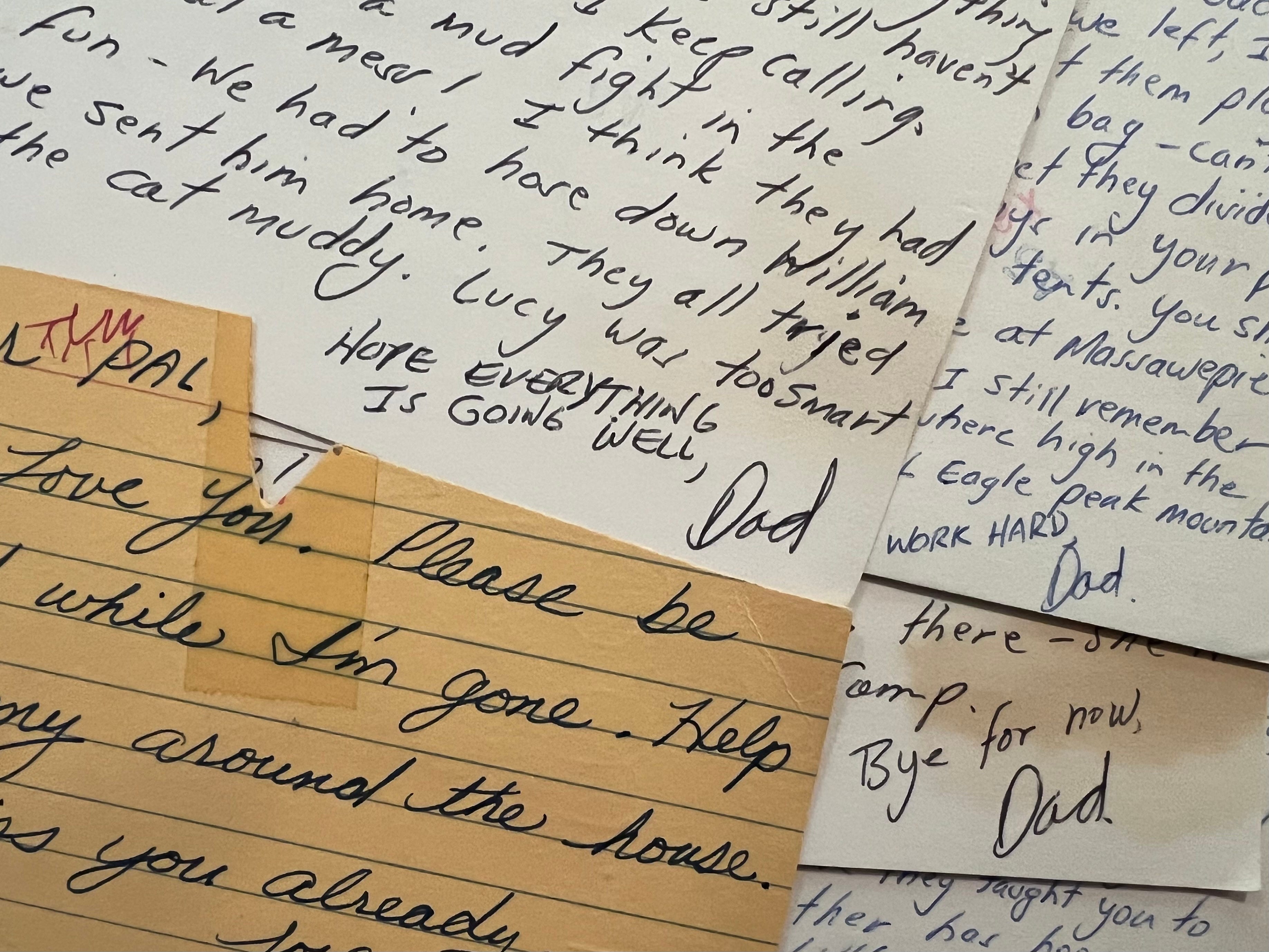
But I needed to flail in that undertow. Of sorrow and denial, loneliness and false affects. I needed to field all the things I wish I’d done and probably could have and should have done before my dad left this earth for good. I needed to lose myself in the countless boxes of his ephemera. Dig into his yearbooks and love notes and photocopied letters of resignation. I needed to encounter the dormant truths in his journals and hidden secrets in his hard drives. I needed to see what he kept in those little wooden boxes inscribed with his initials, and what he slid into his meticulously labeled files. I needed to get to know a man I only knew as a dad. As someone I didn’t know as a person.
Since my dad’s death I’ve had seemingly endless opportunities to live, and relive, a spectrum of resulting emotions. From love to hate and all that lives between. The last year has also left me contemplating how my now fatherless body would successfully go about living my same old life. These reflections have been necessary for me to orient myself with a new reality. Who I’d been before was gone. It disappeared with my dad's last breath. Hereafter I'd forever be someone without a living parent. I’d be someone who knows the actual shape of death, as I’ve come to call it. A shape that before was blocked by my father—his body keeping mine in a protective shadow. Something all fathers innately do.
It must be cliché to suddenly contemplate mortality when a loved one dies. It’s like death was in the neighborhood and gave a knock, but then turned around to whisk away the guy across the street. Which made me like, Oh damn, I guess death knows where I live! Now, every subsequent knock inspires a sudden flush of fear. Now is it my turn? Now is it?
This is the world I live in these days. I hear that knocking everywhere. I can’t have a common cold, a stomachache, or a near miss on the freeway without wondering if I should hurry up and get my affairs in order. Death came and never left. But perhaps death was always there and never was meant to leave. We leave, and it sticks around.
A week after my dad died in his sleep I was sitting alone in my apartment in North Carolina. I’d just finished a difficult phone call with my mom and was wracking my brain for a plan to get back up there. In an instant my heart started racing and my hands got all tingly. I jumped up from my desk, rattled by this strange sensation, and nearly passed out. Then I raced to my front door thinking if I lost consciousness on the porch, one my neighbors might see me and get help. My survival chances are slim if I suffer a heart attack alone. Racing outside, I figured, improved my odds.
I burst out my front door and heard people chatting. Should I shout over to them while I’m still able? Tell them to call an ambulance? One of their dogs barked and my vision tunneled. I took the deepest breath I could muster and things got narrow and dark. I was fully aware that I was about to fall out. Two deaths in one week is going to be a real hit on the family. Who will call my siblings? My friends? Nobody knows my accounts. My passwords. I wanted to walk the PanAm. Meant to apologize to people. I don’t even have a will. It all came at me so fast. But as quickly as it took me over, my body eased back to normal. I slouched on my porch step, utterly relieved, and cried the hardest I’d cried all year.
Since that episode, and a similar one at my brother’s house, I’ve learned that I likely experienced an anxiety attack. My first. One that, to my embarrassment and relief, was likely exacerbated by dehydration. Naps and water, mom always says, are the remedy most problems.
I’ve been to the doctor twice and on both occasions they ordered an EKG and blood work. The results came out normal. My doc assures me I’m fine, which feels good for a while. But then I see death again without my dad in the way and symptoms return. My heart races, my hands shake, and I start wishing things like, I don’t want to die with a list of unchecked goals, like my dad did.
At night it’s common for me to lay down and focus on the beating of my heart. It drums regularly, but then it misses—or does it—and it’s like I can hear a syncopated smaller heartbeat between the bigger beats. When I stop to really listen it’s fine. But then it’s not. Or I feel like my chest is rumbling. Should I make another appointment? I lay awake and obsessively tune into the cadence of my heart. It seems OK, but is it really?
My dad had a faulty heart. It’s one of the causes listed on his death certificate. And since I come from a long line of folks with bad hearts, I assume mine is blemished, too. An enlarged heart was what made my dad ineligible for West Point—which is a truth he held his entire life that I’ve since learned is false. His grades were actually to blame. Still, he blamed his heart for the rejection. It simply was, as he told it, too goddamned big.
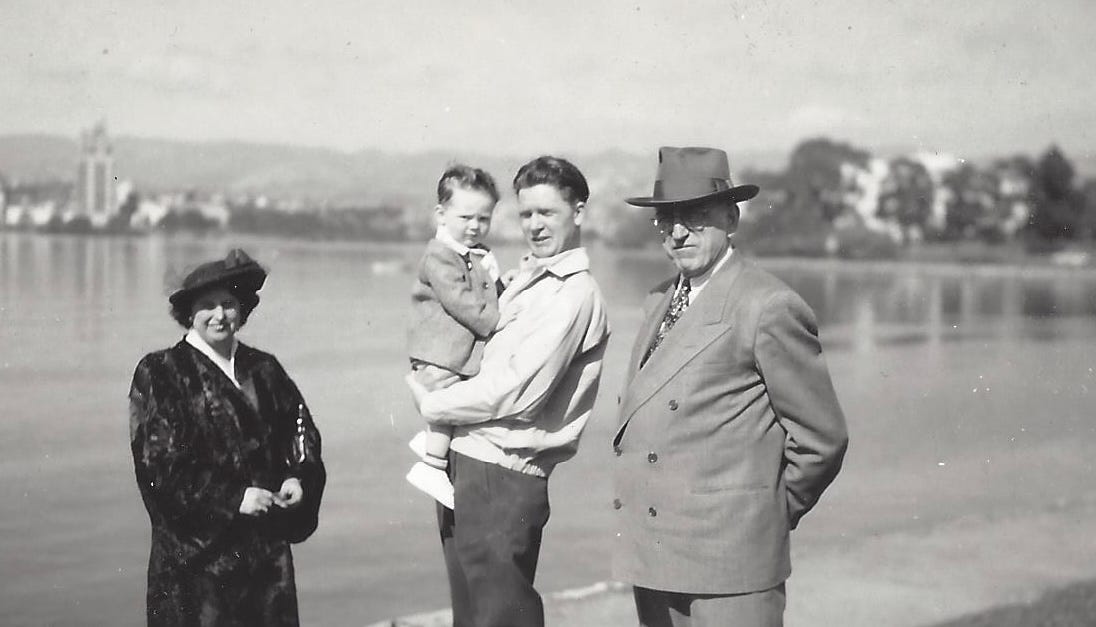
Additionally, an old journal records my dad’s discussion with his cardiologist about the possibility of needing a heart transplant. And a more recent checkup at the VA resulted in the following findings: non-valvular atrial fibrillation, moderate aortic valve stenosis, decreased biventricular function, mitral annular calcification with mild regurgitation, and more. I don’t know what this all means, but it sounds like my dad’s heart was having a rough go.
My dad’s heart was the source of unhappiness, conflict, and ultimately, his demise. He blamed it for so much, and for so long, that doing so feels like the natural thing to do. Maybe I should blame mine, too? For everything.
For my whole life I’ve enjoyed the ritual of going to bed. A cup of tea and a few pages in a book so that as I start nodding off I’m already where I need to be. But those days are gone. Now it’s a chore. As soon as I tuck in, my prone body immediately feels arrhythmic and I can think of nothing else but the popcorn in my chest. Is it all in my head? Am I manifesting the jazzy rhythm I’m so afraid of?
Hours pass and I’m still awake. I toss and turn as I think about my heartbeat. Which is to say, I think about death. Because there it is, front and center. Relief finally comes when I turn on my side and reluctantly tuck a fluffy pillow between my arms to muffle my pulse. I can still feel it, but less so. I distract myself with thoughts of gratitude and repeat affirmations for my ideal future. I am healthy. I am happy. I make a successful living as a writer. I share my abundance with others. I keep my attention from my rising and falling chest.
Eventually I fall asleep and, for eight hours or so, I experience what I figure death must be like. No heartbeat. No memory. No anything. Not even darkness. I’m gone. Just gone. If this is what it’s like to die, really, it’s not so bad.
My grief, it seems, has evolved into some kind of death obsession and maddening hypochondria. It’s definitely not one of the five known stages of grief, but it’s definitely one of mine.
Wow! As haunting, troubling (and beautiful ) as they may be —It’s a gift that you have so many paths to follow tracing the life of your father and your connections to him. Lovely stuff that you are unpacking here Tom!