Not Yet Tenderly Told
Writing the same essay for the thousandth time

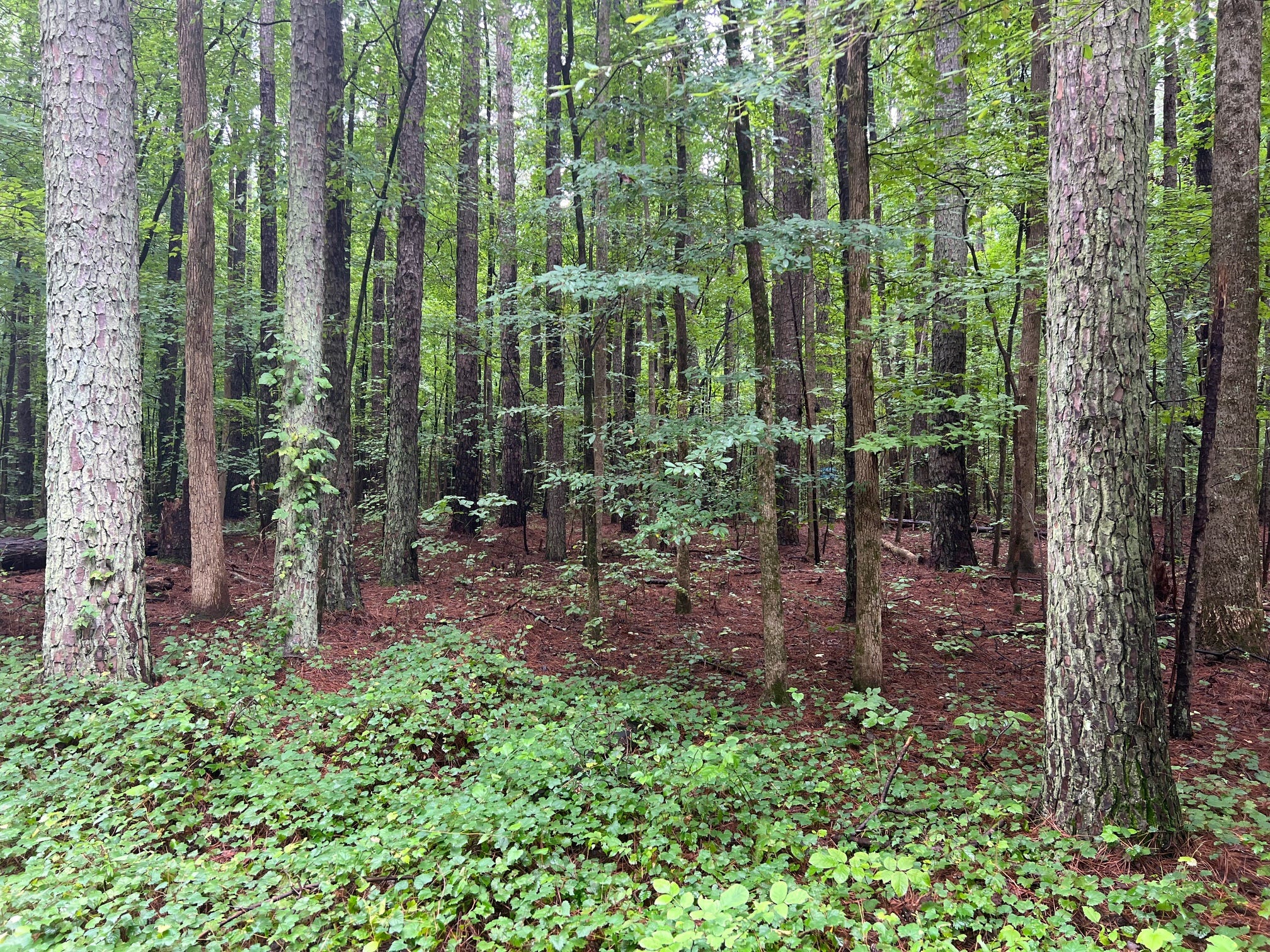
Not sure how we procured the tacky bottle of warm ranch, but it surely was stolen. Perhaps from the chow hall, the bear-proof box of camp food, or an adult leader’s cooler. Who knows. But what we did with it was the catalyst for all of us bolting full speed through the dense forest, long past curfew, dodging low boughs of Eastern White Pine, crashing into shadowy mounds of Canada Yew and Hobblebush.
The five of us, or maybe it was six, raced from the bubbling shrill escaping Saginew’s throat—a chilling sound that resulted from Featherly’s missed intention. He’d meant to pour a dollop into our least liked-comrade’s ear as he slept, but his shaky hand missed the mark and he instead dispensed half of the bottle’s contents into a gaping mouth between thick snores. Saginew’s sudden contorted sit-up and sidesplitting howl was strangely immediate. As if he’d already been screaming in a dream that our torment had interrupted and made free.
Surely the alarm had awakened camp cadre. But we’d done enough mischief to know the drill—they’d soon do an obligatory camp-wide bed check to find the culprits. So we quick scattered in wide circles to make our way back to our respective tents where we’d pretend to also have been roused by the midnight wailing. “Oh dang! What the heck was that?” I’d inquire while rubbing my eyes.
These boys were my crew. If we weren’t harassing Saginaw, it was Tripp or Bannon or Skady getting the business. Last year we carried ol’ Skady’s cot into a bog and, shockingly, he slept through the entire ordeal. When he finally did wake up, we were already knocked out. His wailing terror assured me of the power I wielded. I chuckled some to myself before remembering that what I did—along with everyone else—was bad. Really bad. But I was so afraid of someone doing these terrible things to me that I aligned with guys who did them to others. I now wonder if we were all in the same boat. I wonder if boys like us grow up to be bad men.
Before we dispersed into the forest that night, before finding our way back to our respective tents, we ran as one, ecstatically commiserating in our malevolence. As we ran, my perspective lifted upwards into the cool night. My vision became that of a drone’s, albeit long before drones existed. From above I watched the motley lot of us plow over innocent shrubs, crunch leaves and rocks and sticks while mashing unsuspecting creatures beneath our red-laced boots. I watched from the tree tops, in a bubble of peace and safety as my body fled our savage scene.
This disembodied sensation was not new. Though having it happen while in motion would later inspire a bewildering wonder about my own consciousness. How could I run and watch myself run at the same time. Had I actually been dreaming? Maybe I had conjured this false memory? Or perhaps I’m dead—not even really here? A twelve year old’s brain is not equipped for such contemplations. Mine never stopped wondering if, and why, I am even alive.
Ironically, it was precisely an unreadiness for input that caused my devilment and disassociations in the first place. My output—my being an accomplice to physically abusing Saginew—went hand in hand with what I’d been prematurely exposed to.
I’ve heard that folks act out in the ways they were mistreated, and surely this is true. But I don’t believe it’s quite so straightforward. I do, however, believe folks who are mistreated act out somehow in an attempt to fill the void left by their maltreatment. Such acting out only strengthens the void.
In my case, after years of garbage in I’d grown well versed, if not comfortable, with garbage out. In my case, the things I saw and was made to endure found me subsequently uplifted by enacting pain onto others—likely because it also brought me pain. Which was what I thought I deserved.
Over the years I’ve written countless essay fragments like the one above. Similar stories of my life as a bully or bro or misanthrope or other illustrative anecdotes to set the stage for what I really wanted to say. And always when I get to this point, I am unsure how to proceed.
Yes, there’s a truth to tell, but the bigger question revolves around the impetus for its telling. Is it to self aggrandize? To solicit attention? To spite? To blame? Or is it to to heal? To share? To make sense of the broken pieces that complete me? Writing trauma requires such inquiry.
There was a time in my life when spilling the beans or tattling felt like the right thing to. I wanted to use my writing as a weapon. I now see the destructive folly of such efforts in an art form. There’s tremendous value in therapeutic writing, but it ought to be reserved for journals and notebooks.
Essays, I believe, mean to honestly explore and discover and innovate and communicate one person’s truth in a way that exhibits beauty and finds resonance with others. I can tell my story, but it isn’t just about me. If it is, or if I can’t tell it tenderly, it needs to cook a little longer.
The end of this particular essay continues to cook—to work itself out. Someday I’ll write it. And when I do, I will embrace the ache and turn it into love.